Only a couple of years ago I was lost, unwell, exhausted and done…
I ended up completely bedridden and unable to function as a normal human being. Even showering was a momentous task that I had to prepare for.
Then, just like you see in the movies or possibly in the books you’ve read, a character has an epiphany, a slap in the face from above… a divine intervention.
Okay, it wasn’t quite as dramatic as that, but it sounded good!
One morning as I lay there feeling sorry for myself and completely miserable that my life had stopped while the world kept turning, a voice inside my head said something along the lines of:
“Is this how you want your life to be now? Are you going to spend the rest of your days lying here feeling sorry for yourself, blaming yourself and blaming everything that has happened to you?”
Or…
“Are you going to do something about it?” and “What’s the alternative?”
So instead of going back to sleep and escaping the internal pain and bone-deep exhaustion, I thought to myself that if I don’t do anything, this is where I will stay.
And this is where the journey began…
I started researching, reading books, watching experts have their say on YouTube, watching TEDx speeches, reading articles and following others who had been in my current state.
There was something ever so empowering about learning. It opened my mind to possibilities and opportunities to find my way back.
However, in the midst of all this fabulous information I was digesting, because yes, I was gullible and thought that if it had been published, then it must be legit, right?
The more I dived into certain health topics specific to my gender, age, circumstances and problems, the more conflicting information and advice I found!
I mean, Dr So-and-so said this.
But hormone expert says that.
Book X told me this way.
But podcast Y said it is all lies.
Someone with seventeen letters after their name that I cannot pronounce says Z.
A woman on Instagram says all five of them are wrong.
What is a girl to do!?
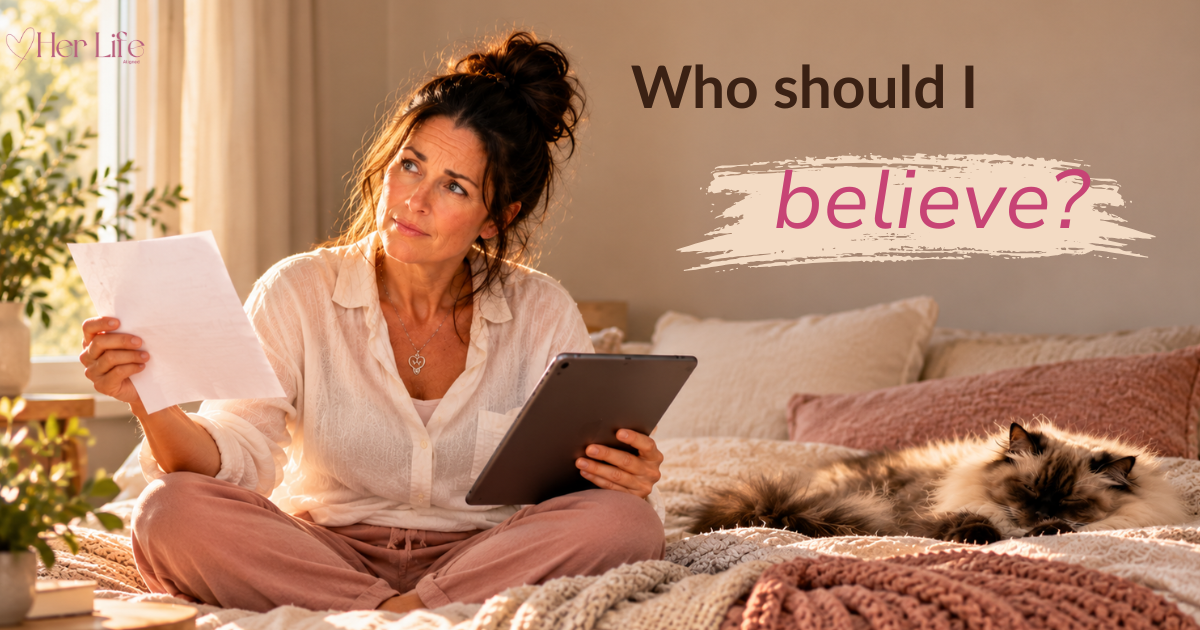
Who should I believe?
What is actually credible?
Is it any wonder we can get so overwhelmed and lost in a sea of information that is readily available, yet come away with more confusion and less understanding?
For me, I was in a vulnerable place, so I took so-called ‘experts’ advice seriously. I trusted them with my health and emotions. Because once again, if it is published, it must be credible…
That little discovery that I couldn’t believe everything that I heard or read diminished a little of that hope I’d built up inside of me, because now I was fearful of taking the wrong advice.
But in hindsight, this was a valuable lesson to learn!
Because this taught me not to simply hand over my thoughts to someone who sounds and looks authoritative and take it as gospel.
It gave me agency to listen, read, think and question…
As my Nanna used to always say, “Everyone has a right to an opinion.”
And this is exactly what I think is happening here. Doctors, experts and influencers can be sharing opinions, interpretations, facts, evidence or their own experiences. But that doesn’t mean I have to take everything at face value.
I am more equipped now to stop and listen, think and question.
For example, there was a post just the other day about the timeline of perimenopause and menopause.
It was a beautiful illustration, but when I zoomed in and read the text, I almost spat me tea!
Now, I’m not saying I am an expert in menopause, far from it! But what I saw appeared quite misleading to me, and it is the very reason I wanted to write this article.
What I saw totally contradicted what I had learnt, and the post appeared to also suggest 20 years in menopause!
I hope bloody well not!
I thought to myself, hang on, am I wrong or are they wrong?
So I did what I’ve learned to do.
I questioned it.
I went back and fact-checked it.
And THAT experience made me think about how bloody difficult it is for women trying to navigate menopause misinformation and understand what is actually true. Or anything, for that matter, to do with our physiology and biology.
A little tip…
With AI at our disposal now, why not use it?
But before you simply type “Is this true?” into ChatGPT, remember that the way you ask the question matters.
Give AI clear instructions about what you want it to check and how you want it checked. And importantly, ask it to show you its sources so you can check them yourself.
We’ve all heard of prompts, so try this:
“Fact-check this claim for me. Separate established evidence from emerging research, hypotheses and speculation. Look for current, high-quality human evidence where possible, and give me the sources so I can check them myself.”
AI can get things wrong too. So don’t blindly believe it either. Use it to help you ask better questions.
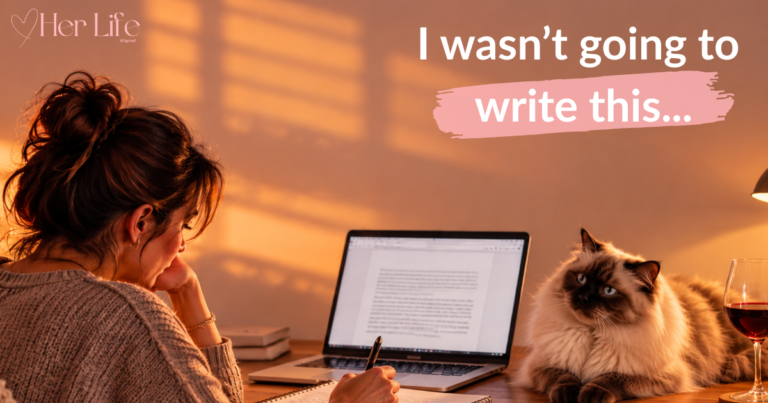
In a nutshell, I wanted to write this in a way that described my experience with believing everything I was told and why I started questioning instead.
So maybe it isn’t about:
‘Who should I believe?’
But instead:
‘Why should I believe?’
By flipping the narrative here, we hold agency for ourselves and how we navigate information, without handing over our own ability to think and question…
And this is why I wanted to write about it.
We are so incredibly lucky to have endless information at our fingertips now, but it is also a reminder for us to be a little more curious for ourselves.
Until next week, explore and learn to your heart’s content, think and question:
Why should I believe?
Ang xx
Want to see some of what I learnt?
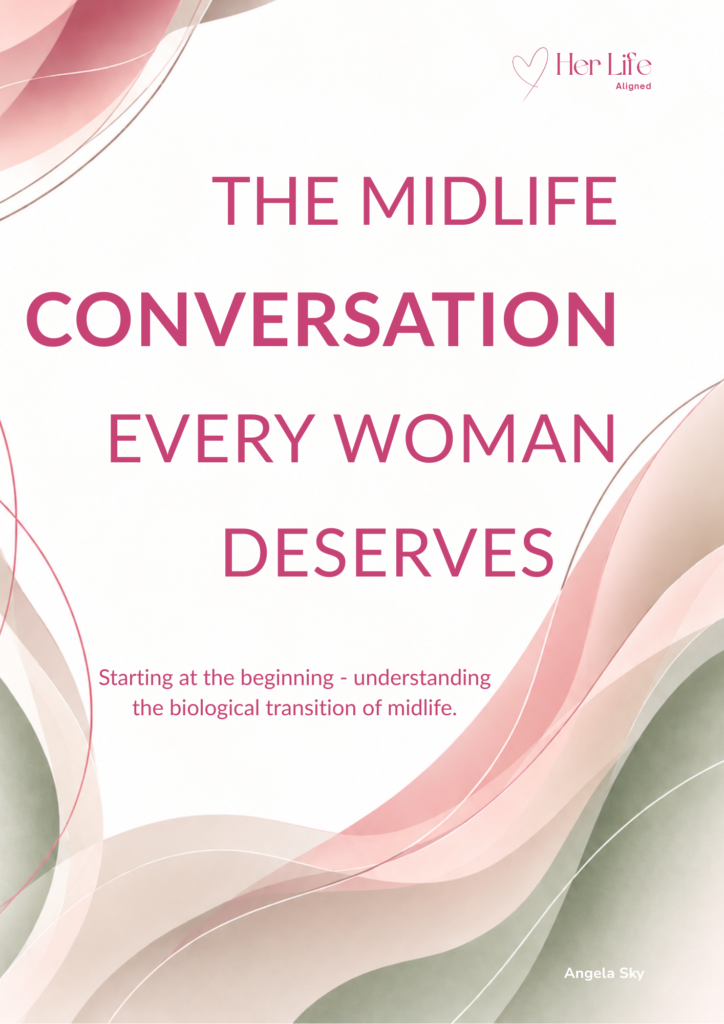
I created a little something to help make sense of perimenopause and menopause, the kind of explanation I wish I’d had when I first started asking questions.